GTT Bobcat: the versatile 7-jet Triple Mix starter that runs on a single concentrator
GTT Bobcat · Bench torch · Surface mix
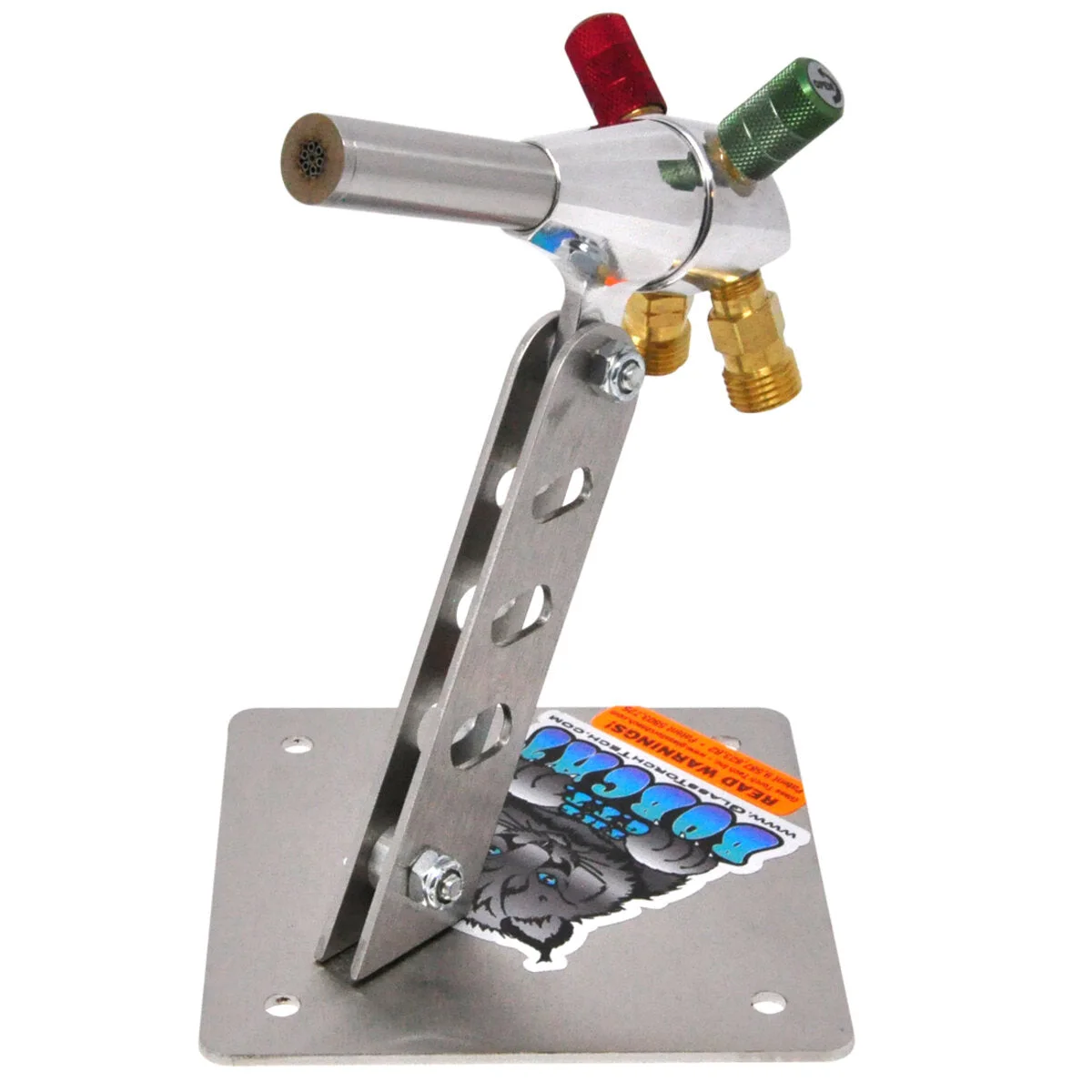
The GTT Bobcat is a single-stage, 7-jet Triple Mix (surface-mix) bench torch built to be a genuine do-everything first 'real' torch — happy on a 5 LPM concentrator yet able to reach a 9/16in x 13in flame for 1.5in solid boro.
Specs
- Mix type
- Surface mix
- Mount
- Bench
- Oxygen
- 5–8 LPM
- Fuel
- Propane, Natural gas
- Skill level
- Beginner, Intermediate
- Glass
- Soft, Boro
- Best for
- Beads, Small-to-medium boro, Versatile starter
- Price
- Mid ($$) $$
- Jets
- 7
- Stages
- 1
Overview
The GTT Bobcat is Glass Torch Technologies’ versatile single-stage starter — a 7-jet, patented Triple Mix surface-mix bench torch built to be the first “real” torch a lot of makers buy. Its appeal is range: it sips oxygen happily on a single concentrator yet opens up to a flame big enough for inch-and-a-half solid boro, all with the clean, forgiving Triple Mix flame GTT is known for. Like the rest of the line, it’s built around the same surface-mix behavior as the Lynx, so the habits you build here carry straight up the range.
What the Triple Mix flame gives you
Triple Mix is GTT’s surface-mix technology: fuel and oxygen meet at the face of the torch rather than premixing inside it. The practical payoff is a clean, quiet, forgiving flame that’s gentle on colors and easy to dial — and on the Bobcat that translates into unusual versatility for a single-stage torch. For the full explanation, see GTT Triple Mix technology and surface mix vs premix torches.
Who the Bobcat is for
The Bobcat is aimed at beadmaking, soft glass, and small-to-medium boro for beginner-to-intermediate makers who want one torch that will grow with them. It’s a smart first surface-mix burner for someone on a single concentrator who’s heading toward boro but isn’t ready for a thirsty multi-stage torch. If you want a tighter pinpoint flame for fine detail instead, compare the Lynx vs the Bobcat; if you’re choosing your very first torch, start with the best beginner glass torch guide.
Glass, fuel, and oxygen
This is where the Bobcat earns its reputation. GTT rates its flame from a 2in pinpoint up to 9/16in x 13in, enough for 1.5in solid boro and boro pendants to 3in, plus larger soft-glass pieces. It burns propane or natural gas with oxygen, and the oxygen side is refreshingly easy: GTT says it runs well on a 5 LPM, 5 psi concentrator, is optimal at 8 LPM, and does extremely well on 10 LPM or tanked oxygen. That’s a rare combination of reach and a modest oxygen appetite. To match your supply to your work, see how many LPM does my torch need and oxygen concentrator vs tanks.
Where it sits in the GTT lineup
The Bobcat is the versatile mid-size entry point to GTT’s Triple Mix range. Above it, the Cheetah trades the Lynx-style center for a 3-port center inside thirteen outer ports and a bushier flame; the Lynx goes the other way toward a needle-fine detail flame; and the multi-stage Phantom and Mirage wrap more fires around a Lynx-style core for bigger boro and production. Because the flame character stays recognizable across the family, moving up later doesn’t mean relearning your torch.
Before you buy
Budget for the whole system, not just the torch: oxygen (a concentrator or tanks), the correct propane or natural-gas regulator, flashback arrestors on both lines, didymium eyewear, and ventilation. New to plumbing a torch? Start with the fittings, hoses & connectors guide and the glass torch safety setup guide.
Editor’s note: spec details reflect GTT’s own materials. GTT doesn’t publish the Bobcat’s exact oxygen flow beyond the concentrator guidance above, or current pricing, so confirm those specifics with GTT before purchasing.
Best for: A first serious surface-mix torch: beads, soft glass, and small-to-medium boro for a beginner or improving intermediate who wants room to grow on a modest oxygen supply.
Not for: Large boro tubes, heavy production, or the needle-fine pinpoint work the Lynx specializes in — step up to a multi-stage GTT, or sideways to the Lynx, for those.
Pros
- + Patented Triple Mix surface-mix flame: clean, quiet, and forgiving of color
- + Genuinely flexible range — from a 2in pinpoint up to a 9/16in x 13in flame
- + Runs well on a single 5 LPM, 5 psi oxygen concentrator; optimal on 8 LPM
- + Handles soft glass and small-to-medium boro (1.5in solid, pendants to 3in)
- + Shares GTT's family flame behavior, so skills transfer up the line
Cons
- − Single-stage — not built for large boro or sustained production heat
- − Mid price band; more than an entry premix starter like a Nortel Minor
- − Exact published msrp isn't listed — confirm current pricing with GTT
Flame notes
7-jet surface-mix (Triple Mix) torch. Runs well on a 5 LPM 5 psi concentrator, optimal on 8 LPM, and does extremely well on 10 LPM or tanked oxygen. Flame from a 2in pinpoint up to 9/16in x 13in for 1.5in solid boro; works boro pendants to 3in.
Maker
Glass Torch Technologies
USA · Founded 1999
Focus: Boro, Production, Pipe, Soft
Patented Triple Mix and newer 4-Way Mix surface-mix technology with compressed-air injection. Category leader for boro/production; dated web presence (the digital opening).
Related reading
- GTT Triple Mix Technology: How Surface-Mix and the Lynx Center Fire Work
- GTT Lynx vs Bobcat: Which Surface-Mix Torch Should You Buy?
- Surface Mix vs Premix Torches: Which Is Right for You?
- Oxygen Concentrator vs Tanks for Lampworking: Which Supply Should You Run?
- Best Beginner Glass Torch: Forgiving First Torches That Won't Hold You Back
FAQ
- Is the GTT Bobcat a good first torch?
- It's one of GTT's most approachable bench torches and a smart first 'real' surface-mix burner, especially for someone who wants to grow into boro. It's pitched at beginner-to-intermediate makers. Many people start cheaper on a premix torch and choose the Bobcat when they want the cleaner, more forgiving Triple Mix flame.
- Can the Bobcat run on a single oxygen concentrator?
- Yes. GTT says it runs well on a 5 LPM, 5 psi concentrator, is optimal on 8 LPM, and does extremely well on 10 LPM or tanked oxygen. That makes it one of the easier GTT torches to feed without committing to tanks.
- How does the Bobcat compare to the Lynx?
- Both are single-stage 7-jet Triple Mix torches, but the Bobcat is the versatile general-purpose starter with a wider working range, while the Lynx is tuned for a tight pinpoint detail flame. See our Lynx vs Bobcat guide for the full comparison.
- What size work can the Bobcat handle?
- GTT describes a flame from a 2in pinpoint up to 9/16in x 13in for 1.5in solid boro, and boro pendants up to 3in, plus larger soft-glass pieces. For bigger boro you'd want a multi-stage torch.
- Soft glass, boro, or both?
- Both. The Bobcat is happy on soft (soda-lime) glass and runs small-to-medium boro comfortably; it's the heavier boro and production work that calls for a larger GTT.